Our Philosophy
The child leads. We follow, wonder, and guide.
Preschool of the Arts is a Reggio Emilia–inspired Jewish preschool. That means we begin with a simple, radical belief: every child arrives already curious, capable, and full of ideas. Our work is not to fill them up, but to open the world to them, and to give them the time, materials, and love to explore it.
Why Reggio, and why now
Children today grow up surrounded by screens, schedules, and pre-packaged answers. Even many playgrounds tell a child exactly how to play: climb here, slide there, in bright primary colors. Much of early education has followed the same path, with worksheets and scripted lessons that decide the outcome before the child has asked a single question.
The Reggio Emilia approach, born in northern Italy after the Second World War, takes the opposite view. It sees the young child as a researcher, an artist, and a thinker, someone with "a hundred languages" for making sense of the world: drawing, building, movement, music, conversation, pretend play, and many more. At POTA we give every one of those languages room to grow.
What it looks like in our classrooms
| Child-led, emergent curriculum | There's no pre-printed lesson plan for the year. Teachers listen closely to what the children notice and ask about (shadows on the floor, a snail in the garden, why challah rises) and build weeks of investigation around those questions. |
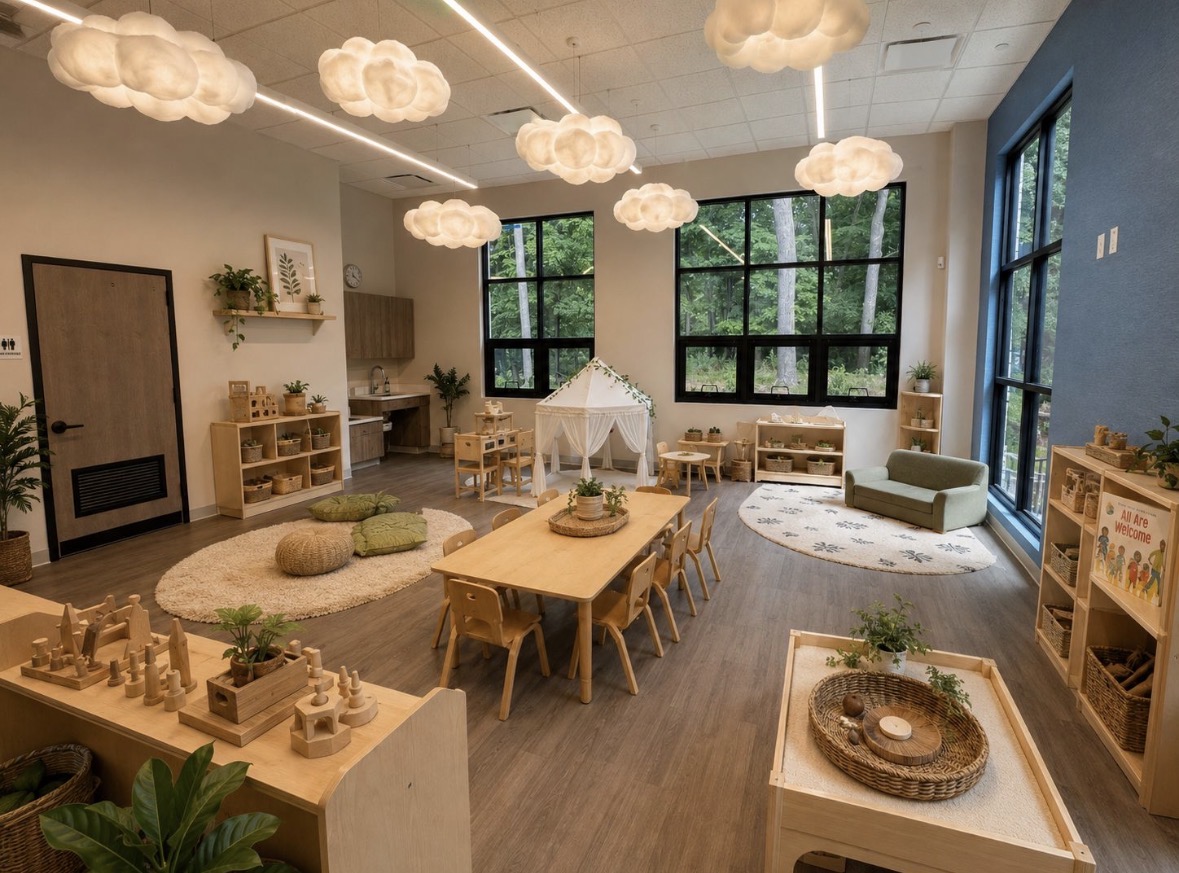
| The environment as the third teacher | After parents and teachers, the space itself teaches. Natural light, wood, clay, plants, mirrors, and real tools invite children to touch, test, and create. Every corner is set up on purpose and every material is chosen with care. |
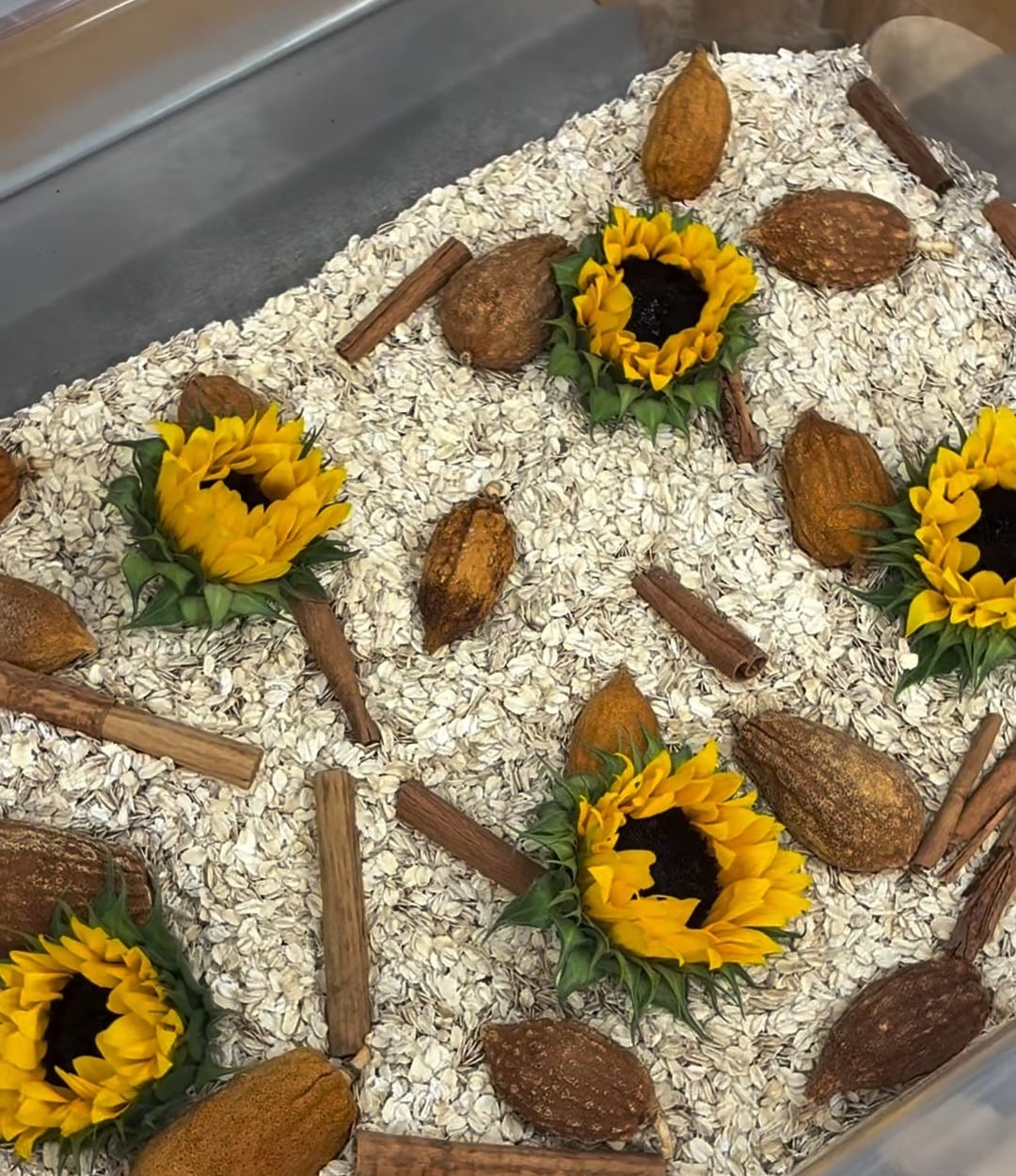
| Open-ended materials | Stones, branches, fabric, loose parts, paint and clay can be anything a child imagines. Open-ended materials build creativity, problem-solving, and patience in ways a single-purpose toy can't. |
| Process over product | You won't see twenty identical crafts on the wall. You'll see children's real thinking: sketches revisited over days, sculptures that changed shape, stories told in their own words. |
| Documentation | Teachers record children's words, photos, and work so that learning becomes visible to children, to parents, and to the teachers themselves. Children see that their ideas matter. |
| Learning in relationship | Children learn with and from one another, their teachers, and their families. Collaboration, kindness, and conversation are part of every project. |
Body, mind and soul: a whole-child education
We care for the whole child. A POTA day moves between quiet focus and big-body play, between the art studio and the garden, between a group conversation and a moment alone with a book. Our weekly specials (Drama, Yoga, Hebrew, Dance, Karate and Shabbat Sing) give children still more languages to express themselves through.
And we never forget the soul. Jewish life at POTA isn't a separate subject; it's the warmth that runs through the day. Children bake challah and welcome Shabbat together, celebrate every holiday with song, story and food, say a blessing of thanks before they eat, and learn kindness, honesty, gratitude and care for G‑d's world by living them every day.
Ready for Kindergarten and for life
Child-led doesn't mean unstructured. Our teachers are intentional guides who make sure every child grows in early literacy, numeracy, fine and gross motor skills, and above all social-emotional strength. POTA graduates go to Kindergarten confident, curious and kind, able to ask good questions, work with others, and believe in their own ideas.
"Each child is a precious gift entrusted to us by Hashem."
That belief guides everything we do. We meet each child with patience, respect and deep affection, and help them grow into the person they were created to be.

